
Why Start a Worm Farm with Seaweed?
Worm farming with seaweed is one of the simplest and most effective ways to create nutrient-rich compost at home. Worm castings are packed with humic acid, beneficial bacteria, and essential nutrients that help plants thrive, produce abundant yields, and stay healthy.
By feeding worms your kitchen scraps — potato peelings, vegetable trimmings, eggshells, and even spare seaweed — (but not if possible, meat or fish) you can turn waste into valuable compost. Worm farming also reduces landfill waste and cuts methane emissions, a powerful greenhouse gas.
Table of Contents
Choosing and Preparing Your Worm Bin
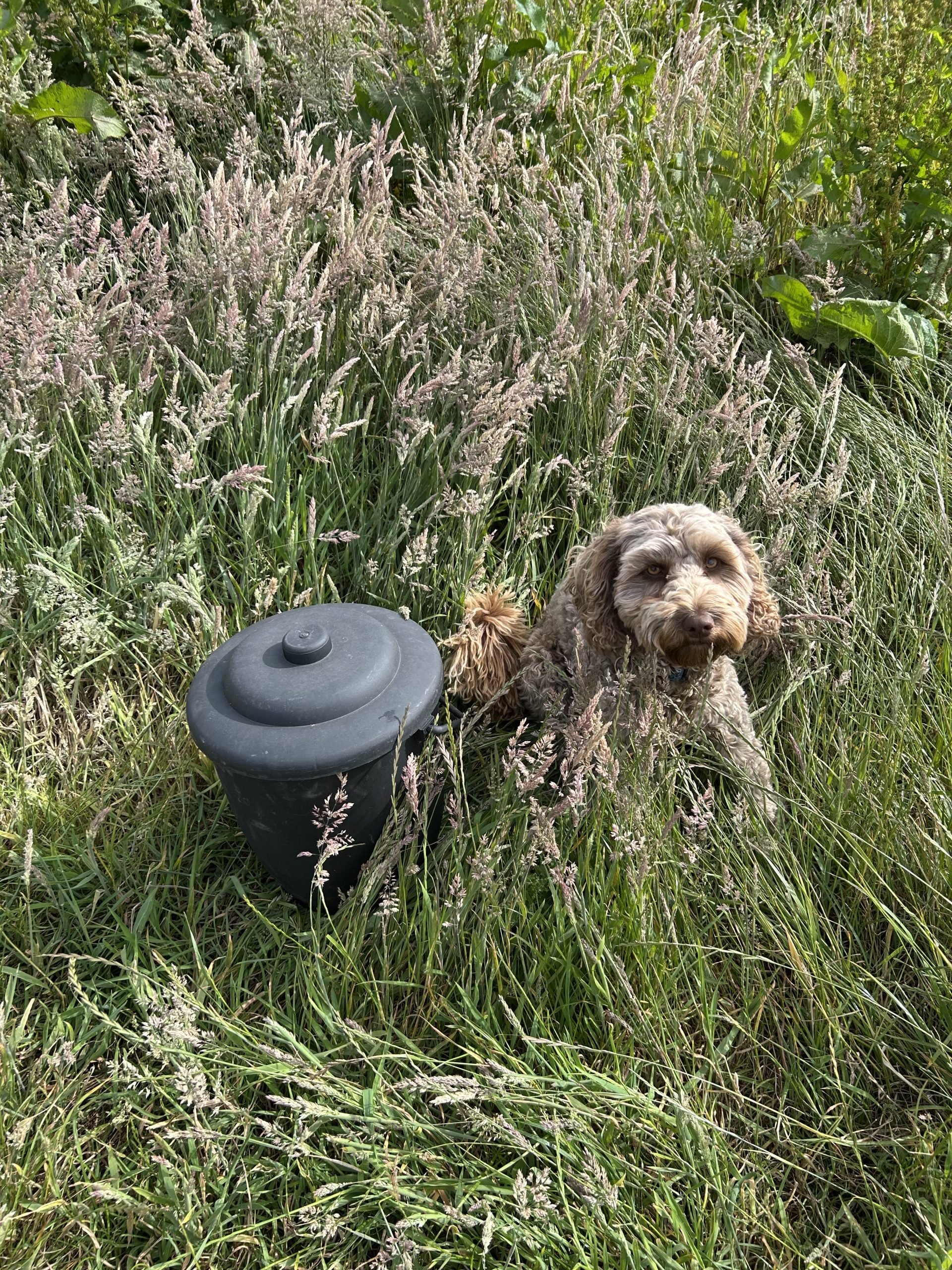
Find a suitable waterproof container about two feet long and one and a half feet high with a lid, or make one from wood. Reusing containers like old bins, plant boxes, or children’s toy storage is ideal. Drill holes in the bottom and sides for air circulation.
Bedding and Soil Basics for seaweed worm farming
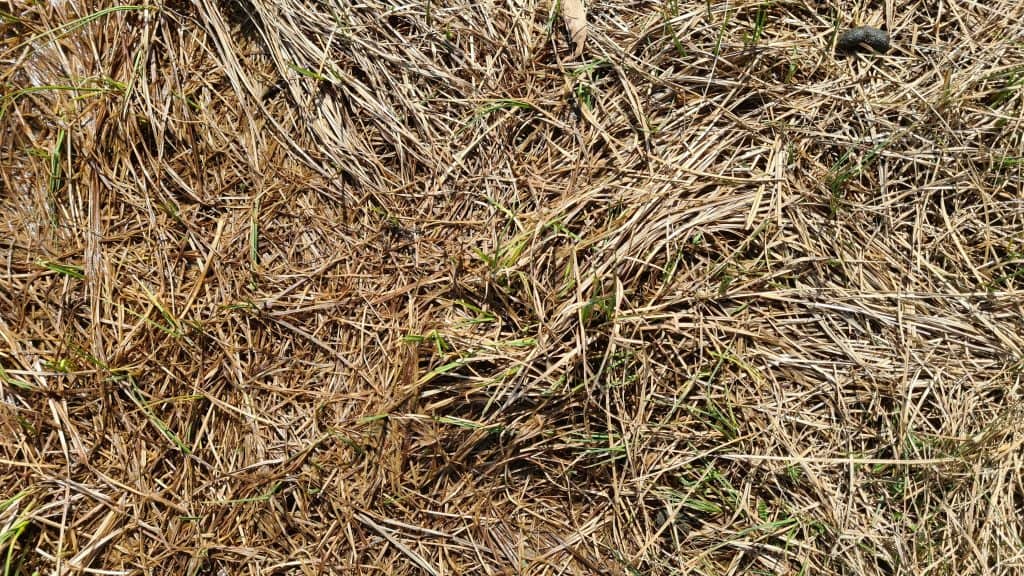
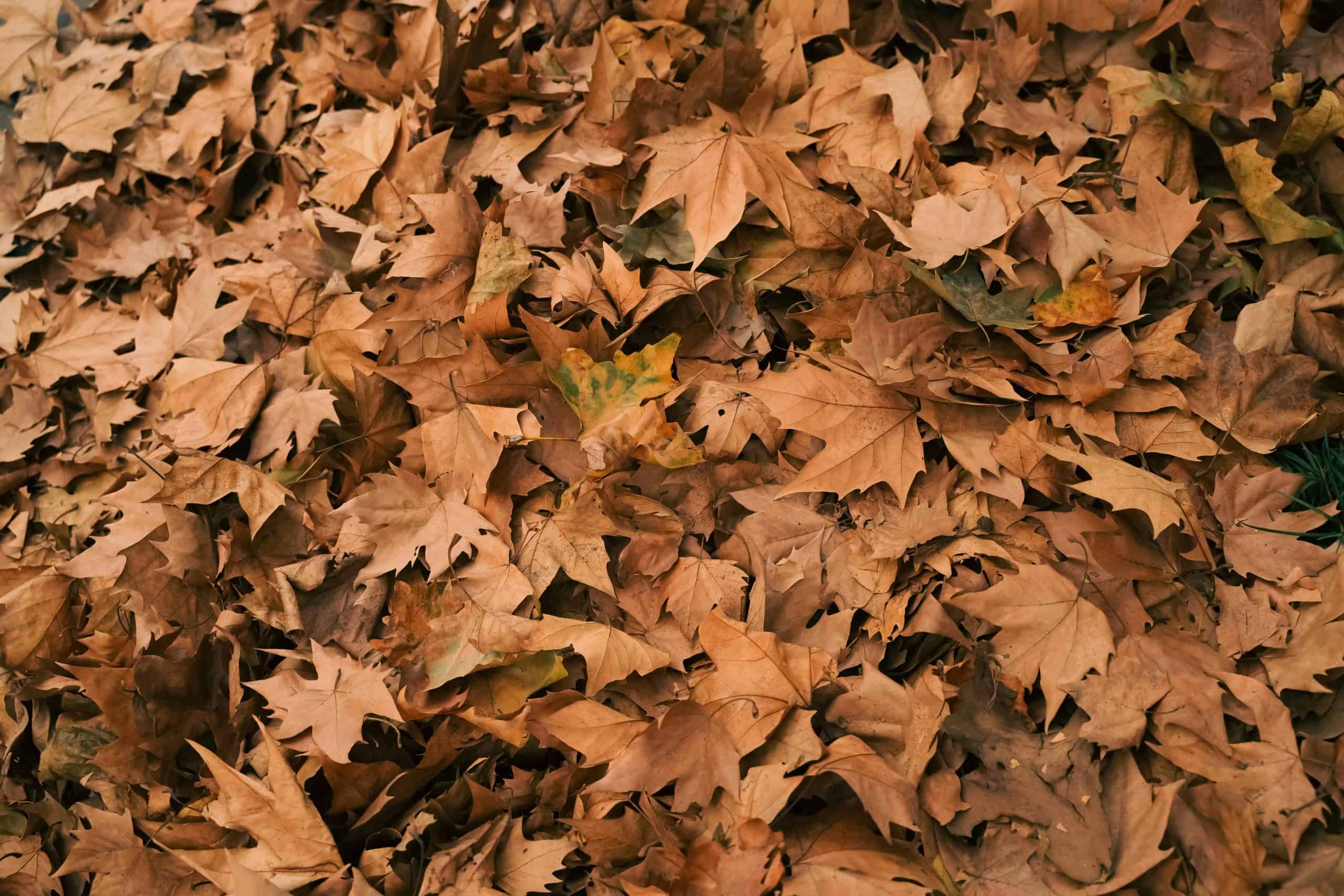
Cover the bottom of the bin with damp cardboard, then fill it three-quarters full with carbon-rich material such as dead leaves, straw, hay, or torn newspaper. Add a small shovelful of local soil. Worms need grit for their digestive system, and sandy soil can provide this. Moisten the bedding lightly with rainwater or non-chlorinated water. Place the bin in a shady spot near your house and, if possible, near trees for extra leaves to top up the bedding.
Feeding Your Worms the Right Way
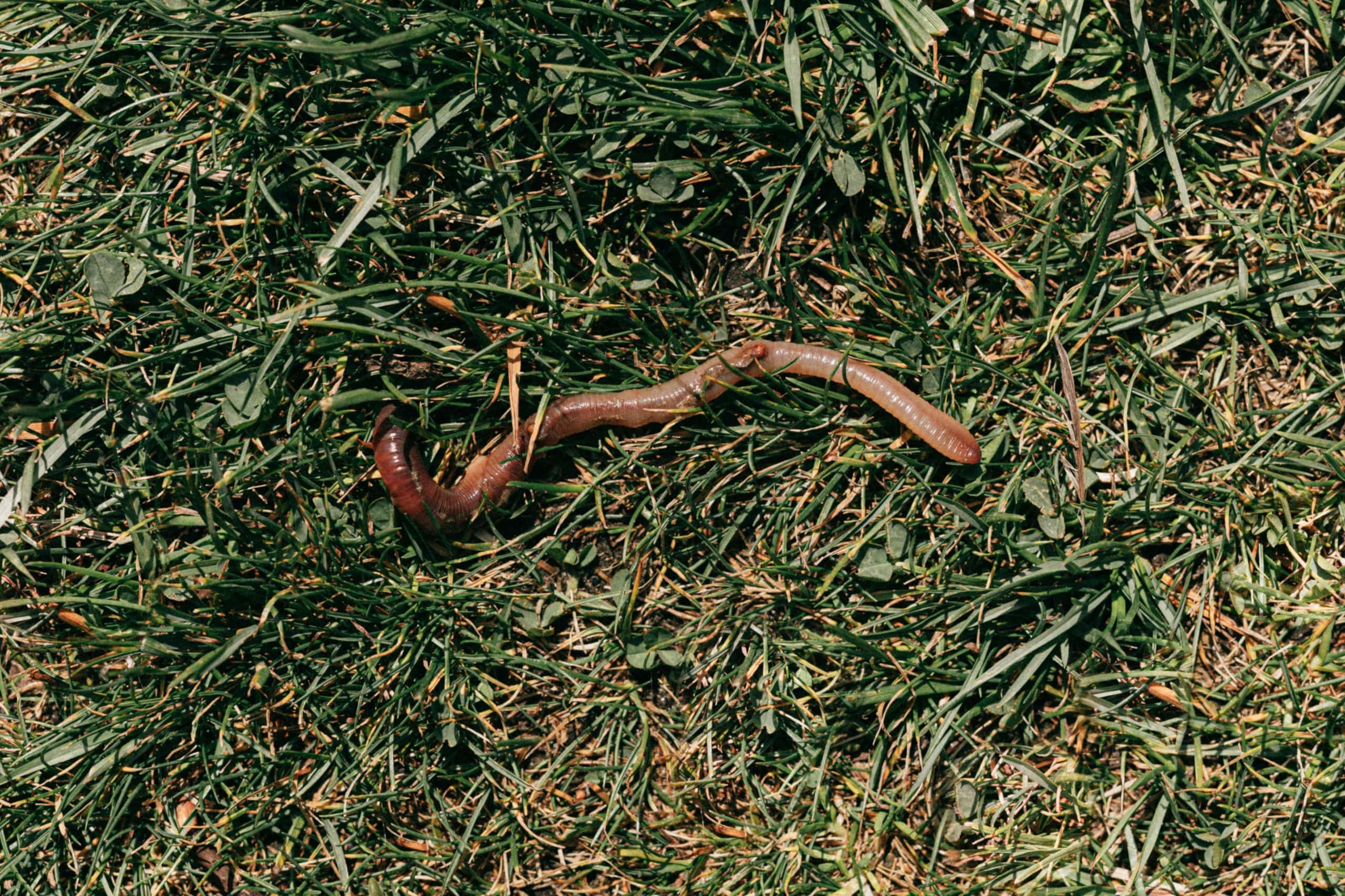
Obtain red wiggler worms (Dendrobaena) from a local composter or a reputable store. Introduce a handful of worms to one corner of the bedding, then cover and leave them to acclimatize for a few days. Start feeding by making a small hole in the bedding and adding kitchen scraps, covering it afterward. Worms can eat about half their body weight each day. If the bin becomes crowded, start a new worm box or give away some worms.
Why Seaweed and Kelp Help Worms
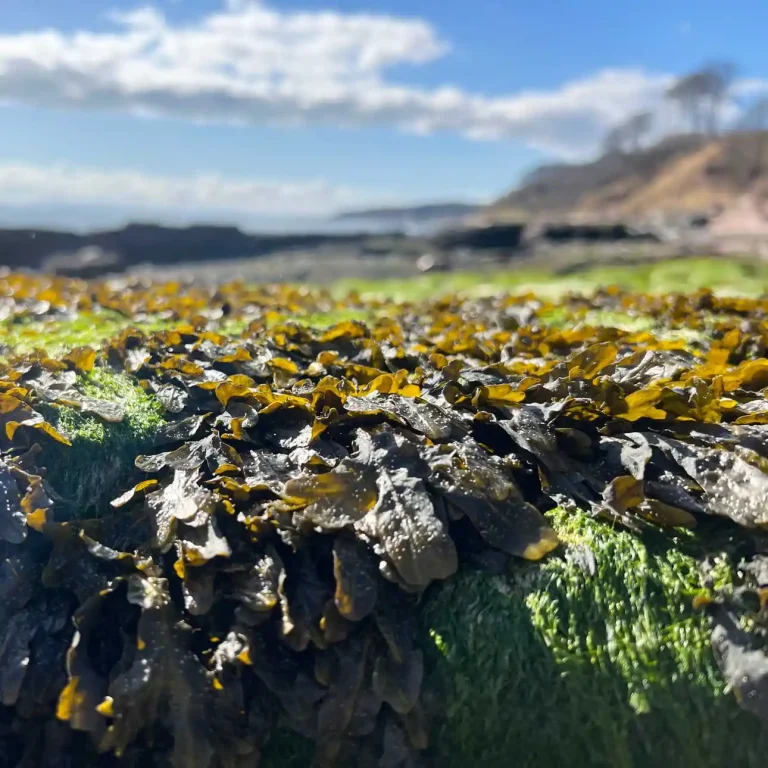
Seaweed and kelp are rich in minerals and trace elements that accelerate composting and benefit the worms’ health. Including these ingredients ensures that the resulting castings are nutrient-rich, giving your plants a strong start.
Harvesting Worm Castings
Once the worms have worked their way through the food, most of the box will be a rich, friable soil. It’s easy to take some of this out and use it as it is, letting some worms go too, but only do this is you don’t mind losing some worms. One way of separating worms and soil is to put the worms and their castings in a heap on a tarp or plastic sheet in the sunshine.
The worms will burrow down away from the sun. Let them do this and then remove the top layer of soil. Leave the pile in the sun and repeat as often as necessary. Eventually you will have removed nearly all the soil, and you will have a small pile of worms and soil left. The worms can be returned to the worm box.
Making Compost Tea with Seaweed and Kelp
Another easy way of harvesting worm castings to use is to put a couple of handfuls of soil on a seed screen, or colander. Put the screen over a bucket, add one or two handfuls of worm castings and gently run a hose over it. Beneficial bacteria are water soluble and will be washed into the bucket, leaving the worms and any hard material (eggshells, stalks, etc) on the screed.
Put this material back in the worm bin. The resulting liquid is an excellent ‘compost tea. You can add a couple of handfuls of ground kelp, if you want to enrich it still further, but it is fine to use as it is. This compost tea can be used to water plants, seedlings, and it can be used in a watering can with a rose to water on plant leaves. It is a nutritious and disease preventing tonic for plants, shrubs and trees.