
There are many schools of thought about how best to compost seaweed, and no single method is always superior to any other.
Traditionally some farmers made ‘lazy beds’ which just involves making rows of seaweed and then planting potatoes in the rows. It’s perhaps the simplest method (hence the name!) but it works.
Table of Contents
Why You Shouldn’t Harvest Wild Seaweed for Compost
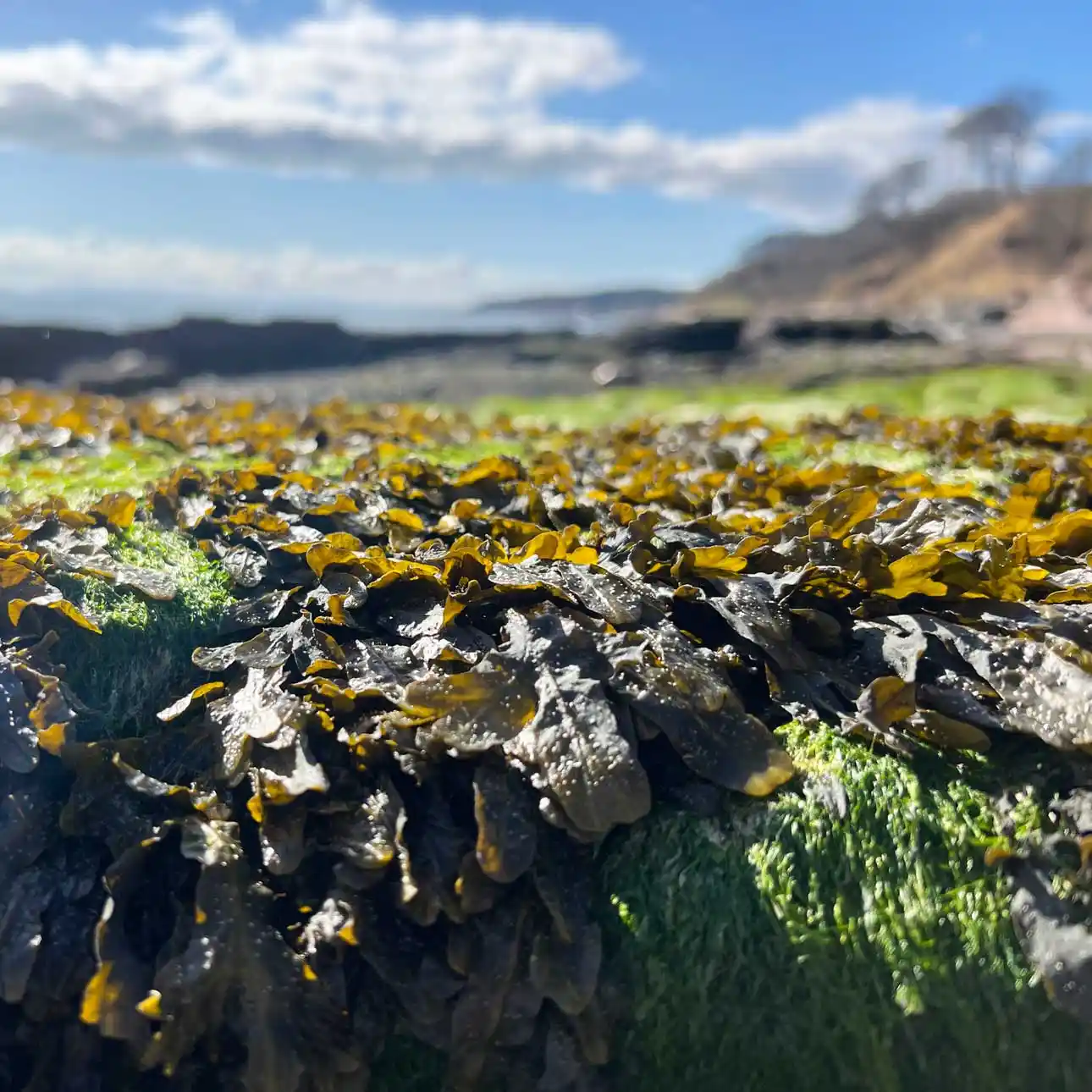
As I said before, please do not go to a wild area of coastline and strip lots of seaweed from it. Seaweed is an ‘keystone species’ and is needed by other species beside humans. Collect a few buckets of seaweed from somewhere where it maybe isn’t wanted (say, a place where people are on the sand and find sharing space with beach-cast seaweed irksome).
The Best Seaweed for Composting: Beach-Cast vs. Living Seaweed
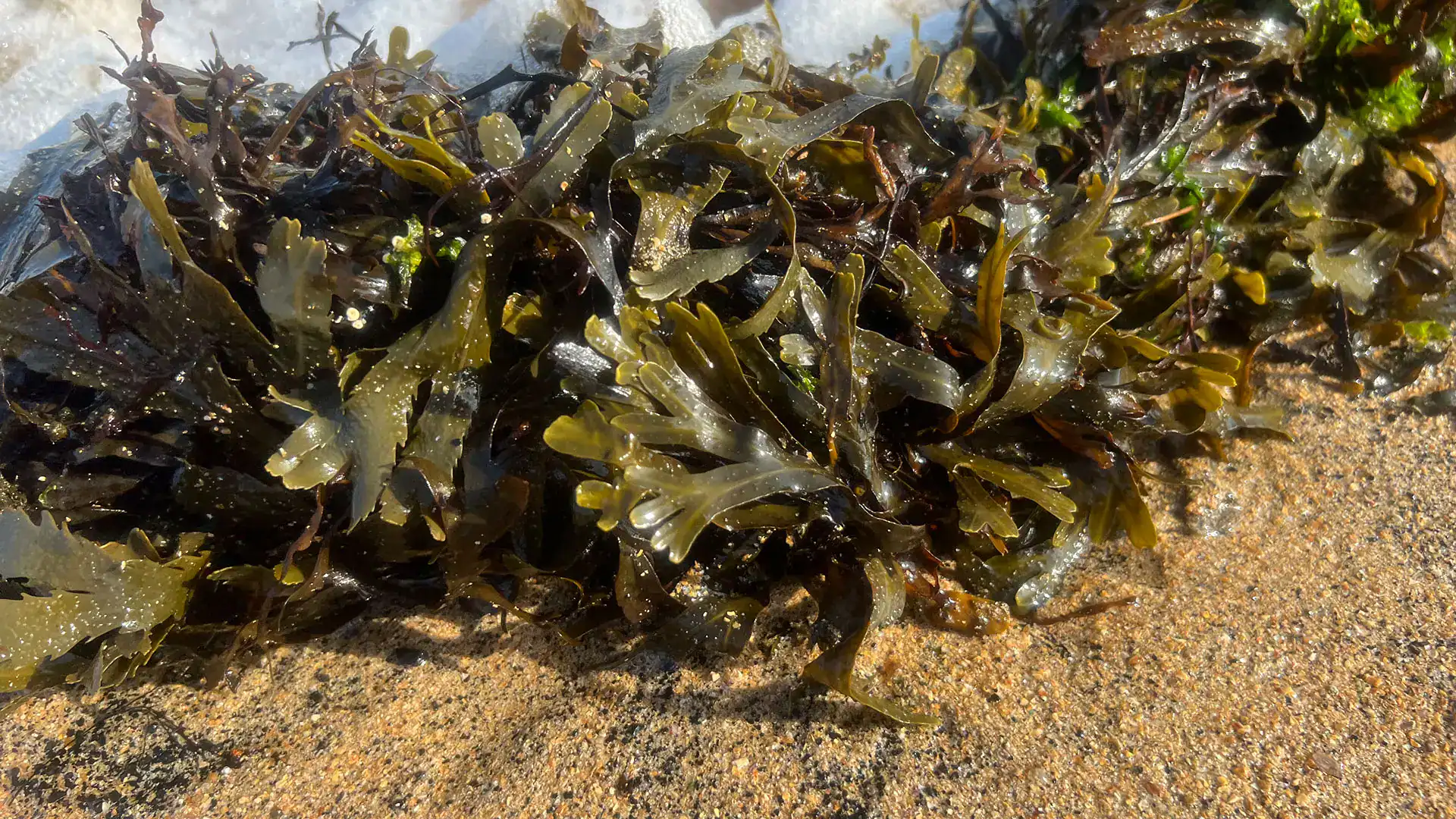
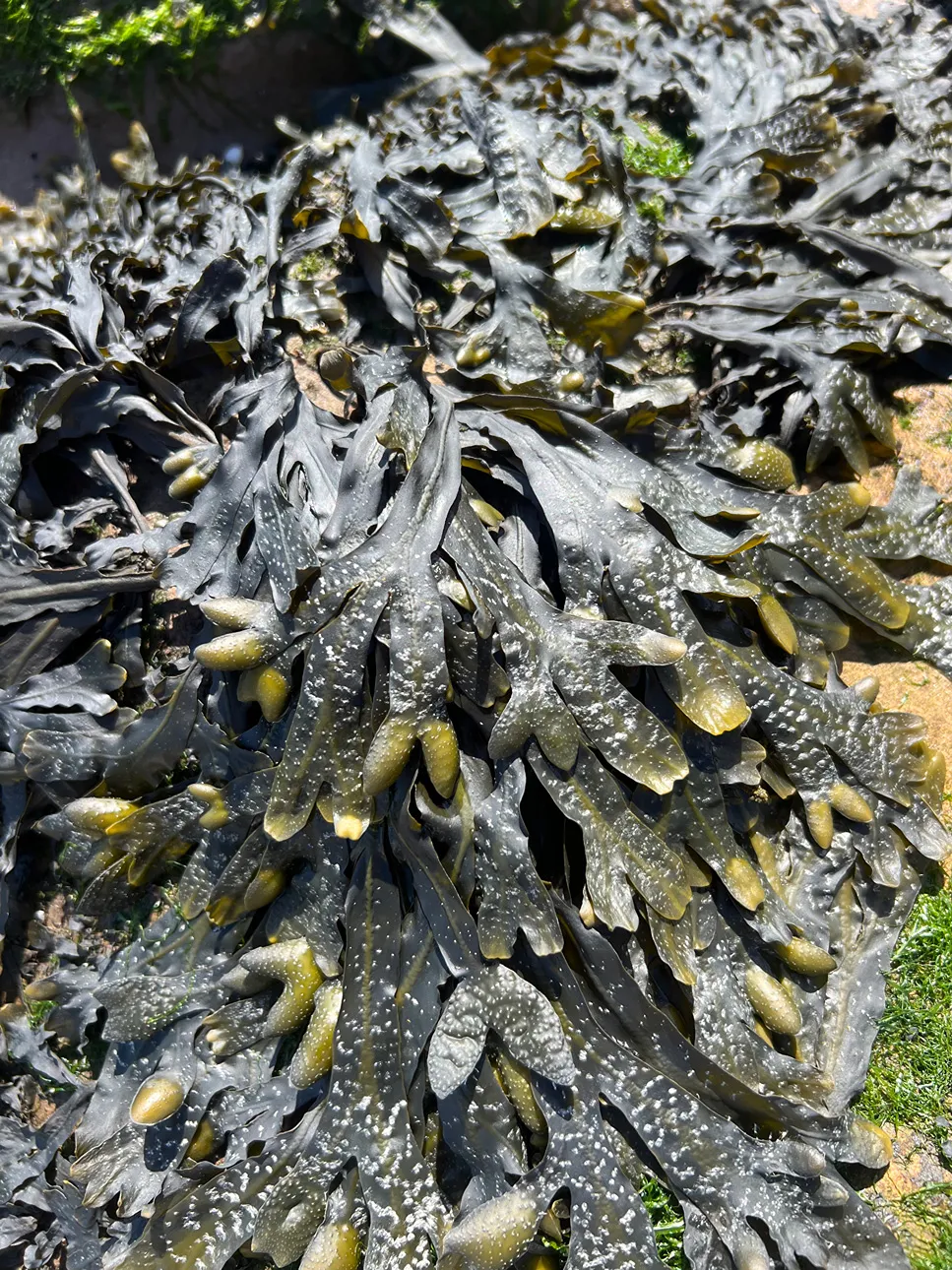
Please don’t pull up, uproot or cut living seaweed for compost-making. Old seaweed that has been thrown by the winds or tides onto a beach is perfectly adequate. Any mixture of types of seaweed is fine.
Should You Wash Seaweed Before Composting?
I don’t wash the seaweed I am going to use for composting. Some people think its helpful to try and wash the sea salt off, but I am not convinced that there is enough salt to make washing it (and using mains water) is that important.
How to Build a Seaweed Compost Pile
(Hot Composting Method)
One effective method, sometimes called hot composting with seaweed, is to layer it with other organic materials:
- Base Layer: Start with twigs, hedge clippings, or brushwood.
- Carbon Layer (“Brown”): Add dry leaves, wood chips, shredded cardboard, or newspaper.
- Nitrogen Layer (“Green”): Add fresh seaweed. If recently collected, it counts as a nitrogen-rich “green” material.
Alternate brown and green layers until your pile is about 1 meter high. You can also add kitchen scraps (vegetable peelings, coffee grounds, lawn clippings) — but avoid meat, dairy, or cooked food. Keep the pile slightly damp, not wet.
Maintaining and Turning Your Seaweed Compost
Cover the pile with a tarp or cardboard to retain heat and moisture. Turning frequency depends on your preference:
- Once a week for faster composting
- Once a month or less for low-maintenance composting
Your compost is ready when it becomes a soft, crumbly, brown material with a sweet, earthy smell. This process may take several months, but composting seaweed naturally produces rich, organic fertilizer.
Final Thoughts:
Composting with Seaweed Made Easy
Seaweed is a sustainable, nutrient-rich addition to your compost bin. By collecting responsibly, skipping unnecessary washing, and layering correctly, you can create high-quality compost for your garden.