
The Historical Use of Seaweed in Agriculture and Compost
Seaweed has been used for thousands of years in Scotland and elsewhere to help plants grow. It contains many bioactive compounds that nourish soil, stimulate growth, and reduce plant diseases. Today, gardeners are discovering the benefits of seaweed in compost to naturally improve soil health and boost plant yields.
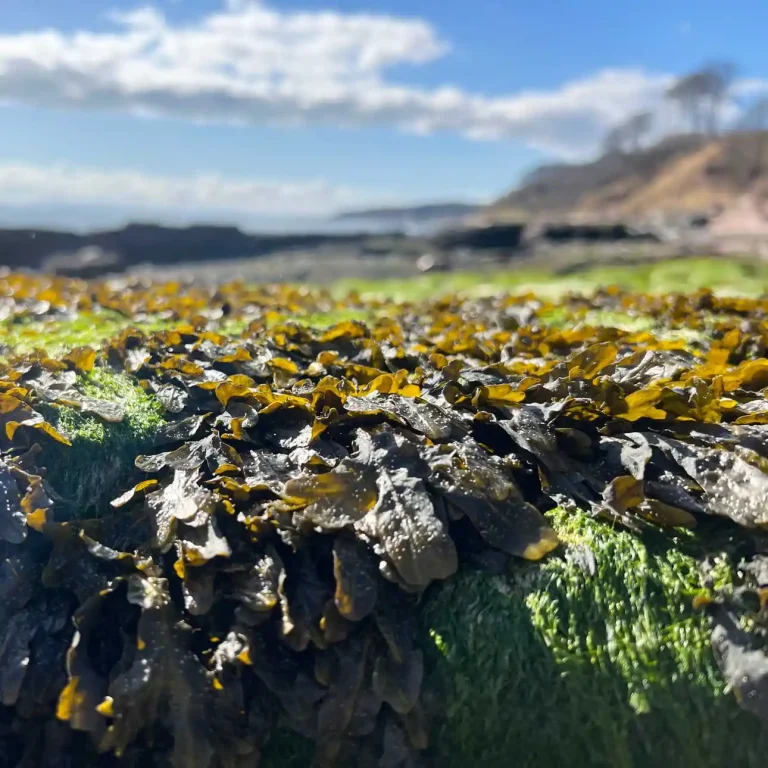
Farmers historically collected seaweed from the shore and spread it directly on fields as a natural fertilizer, long before synthetic fertilizers were available. Similar practices were common in coastal regions of Ireland and Scandinavia.
Table of Contents
The History and Benefits of Seaweed in Compost
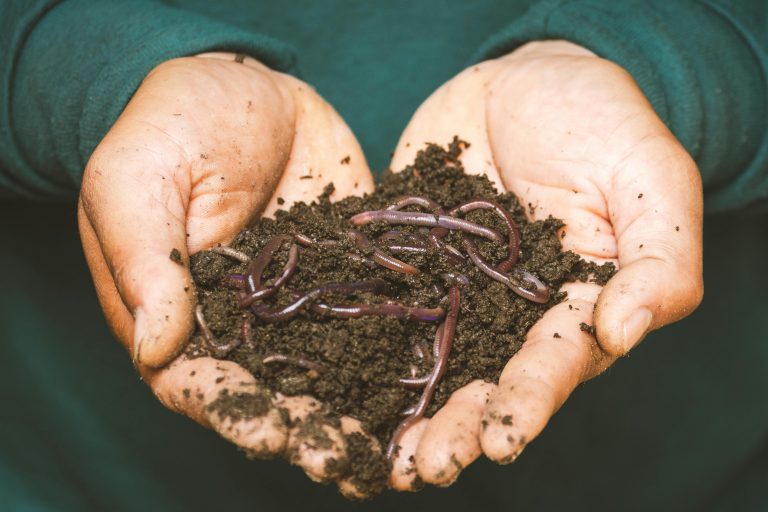
Composting has been practised for thousands of years. Records on clay tablets from Mesopotamia, around 2,300 BC, show that people already used organic waste to enrich soil. Archaeological evidence suggests that people in the UK were composting about 12,000 years ago. Adding seaweed enhances nutrient content, supporting stronger, healthier plants.
Modern Farming and Nutrient Loss
Twentieth-century farming increased crop yields but often reduced minerals, vitamins, and other beneficial compounds in food. By recycling nutrients with compost, gardeners can help restore soil health. Incorporating seaweed provides natural nutrients that modern fertilizers may lack.
How Home Gardeners Can Make a Difference
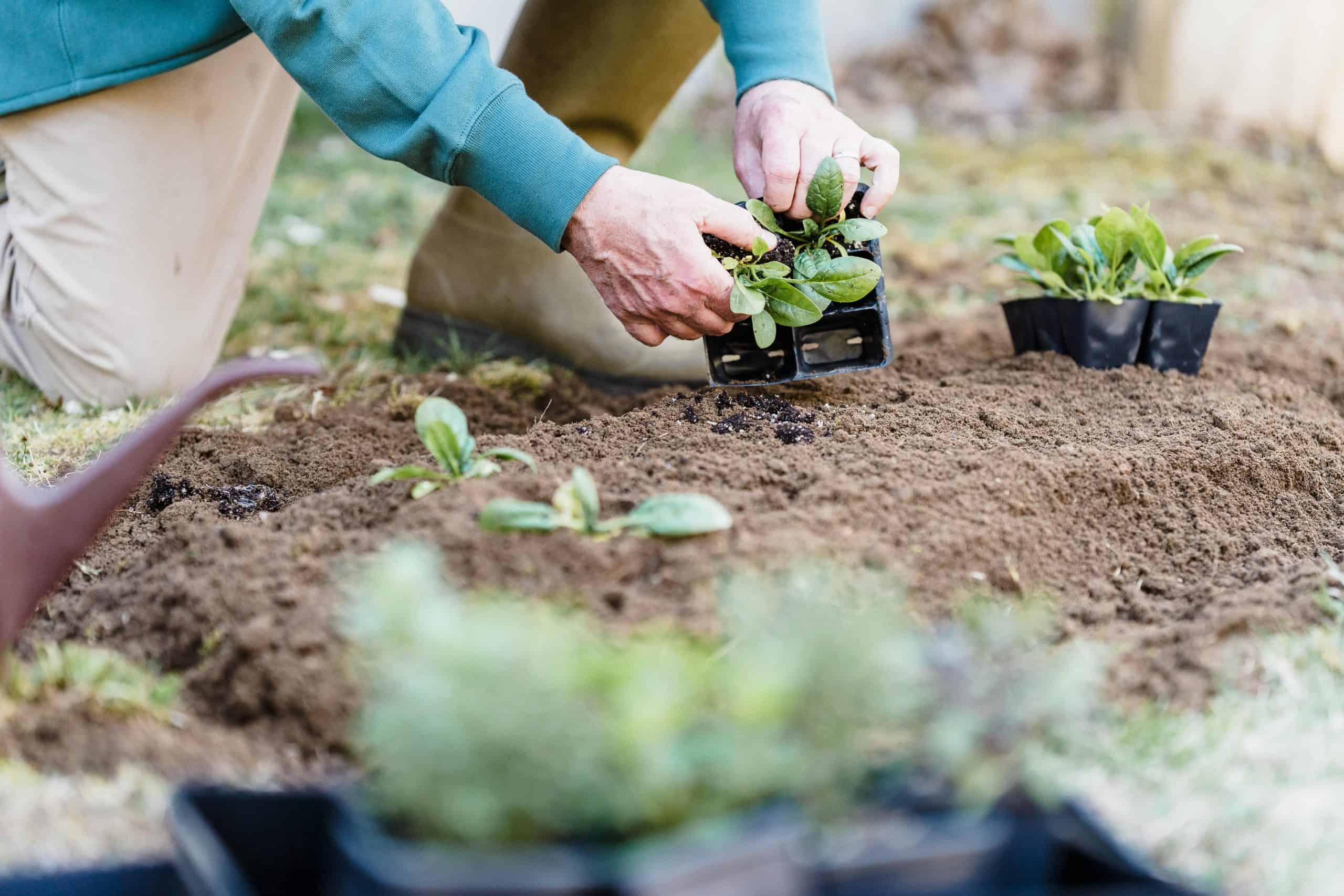
Many people now grow their own fruits and vegetables and make compost at home. About thirty percent of the British population live within ten miles of the coast, making it easy to collect washed-up seaweed. Wash it to remove excess salt, chop it into pieces, and layer it into your compost bin. This mixture improves soil structure, water retention, and overall plant health.
Tips for Maximising Benefits
- Use a mix of seaweed and other compost materials to balance nutrients.
- Avoid overloading your compost with wet seaweed; let it dry slightly if necessary.
- Regularly turn the compost to speed up decomposition and distribute nutrients evenly.